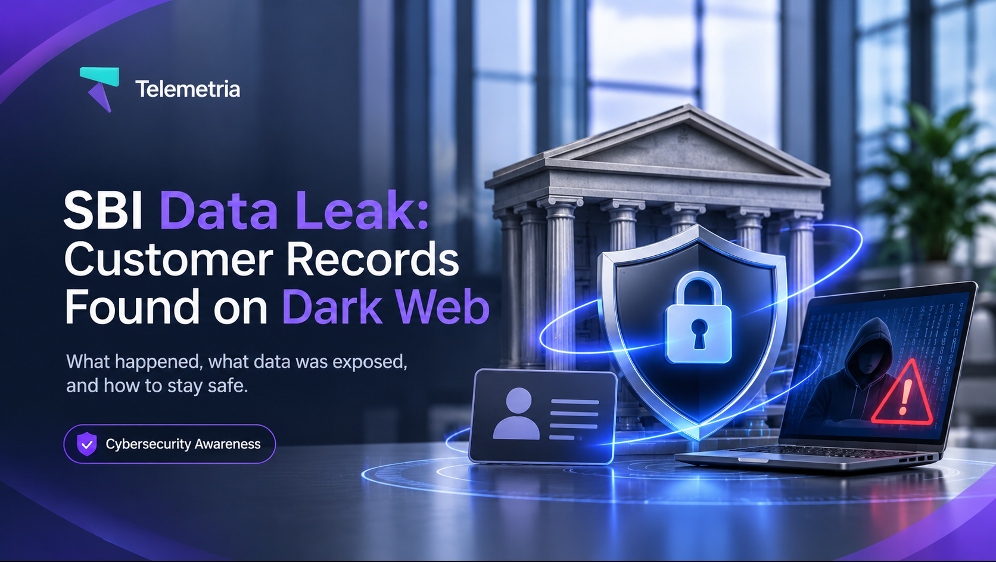
State Bank of India (SBI) disclosed a data-loss incident after a preliminary review identified 3,897 customer records containing personally identifiable information (PII) within a larger set of approximately 375,000 records found on the dark web. The bank’s stock-exchange filing dated 21 October 2026 said it had received alerts about the suspected exposure and initiated an investigation. The Hacker News’ coverage of the disclosure brought renewed attention to a wider business issue: how organizations protect personal data, oversee third-party access, and demonstrate that security controls are working.
What happened in the SBI data leak?
According to SBI’s stock-exchange disclosure dated 21 October 2026, the bank received alerts on 16 October from its threat intelligence service provider, the Defense Cyber Agency and CERT-In. Its preliminary analysis of around 375,000 records identified 3,897 records containing customer PII. SBI said it activated incident-response and containment protocols and engaged an independent CERT-In-empaneled cybersecurity agency to assess the incident.
SBI also stated that the incident had no material impact on its core business operations, financial performance, or business continuity. The bank said further investigation was required to establish the authenticity and completeness of the data, its possible source, and the extent of exposure. These are important distinctions: preliminary findings should not be treated as a final forensic conclusion.
What customer information was reportedly exposed?
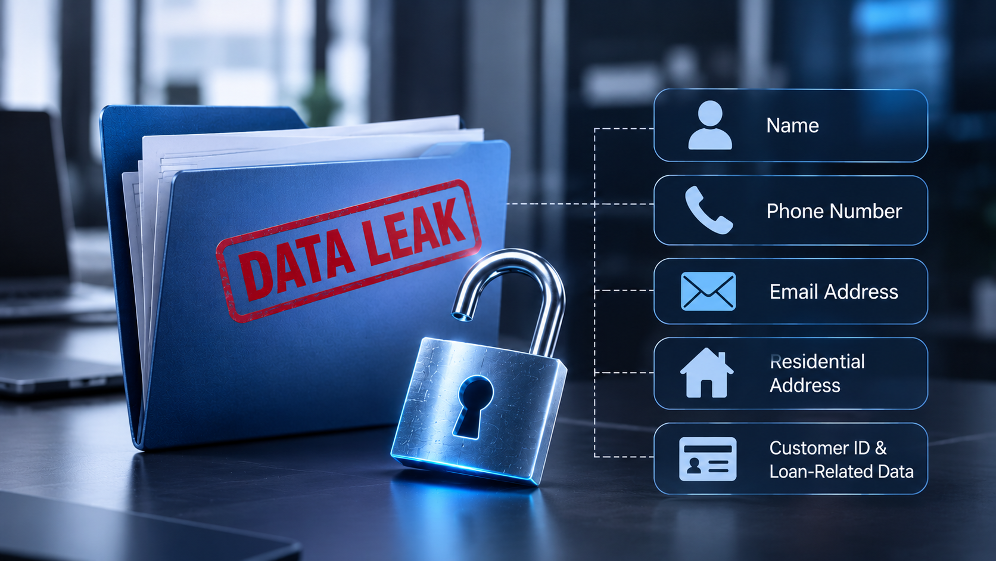
The categories listed in SBI’s exchange filing include names, registered mobile numbers, dates of birth, gender, email addresses, residential addresses, branch and Customer Information File (CIF) identifiers, lead IDs, and metadata associated with loan or lead records and related files. The filing did not list account balances, passwords, OTPs, or card details among the identified categories. The assessment was preliminary, so readers should avoid assuming that every aspect of the incident has been conclusively established.
Why are reports mentioning 3.75 lakh records and 2,722 PDF files?
A threat actor reportedly claimed that a dataset linked to SBI and possibly its subsidiaries contained around 375,000 rows and 2,722 PDF documents. Free Press Journal’s report on the alleged dataset described a limited review of sample records. However, SBI’s filing does not confirm the alleged PDF count, identify the threat actor, or establish the source of the data. The origin could only be confirmed through the investigation; it would be inaccurate to present the actor’s claims as verified facts.
Why this incident matters for compliance and third-party risk
Data exposure is not only a technical security concern. It also raises questions about how personal information is collected, stored, accessed, shared, and monitored throughout an organization's operations and vendor ecosystem. Where service providers, business partners or outsourced teams handle sensitive information, organizations need clear accountability for access permissions, security requirements, evidence collection and incident escalation.
This is where third-party risk management (TPRM) is important. A structured vendor risk programme helps organizations assess suppliers before onboarding, review their security controls, track remediation actions, and monitor changes in risk over time. A vendor’s compliance certificate or completed questionnaire should not be treated as a substitute for ongoing validation.
"For teams working with frameworks such as ISO 27001, NIST CSF and SOC 2, the practical challenge is to connect policies and control requirements with evidence: who has access to data, whether access is appropriate, how exceptions are approved, and whether corrective actions are completed."
— Telemetria Governance & Assurance Team
Key controls organizations should review
- Data access and least privilege: Restrict access to customer information based on role, business need and approved duration; review privileged access regularly.
- Vendor due diligence: Assess suppliers’ security posture, data handling practices, subcontractors, incident history and contractual security commitments before granting access.
- Continuous monitoring: Monitor relevant external threat signals, exposed credentials, breach indicators and material changes in vendor security posture.
- Evidence and audit trails: Maintain current records of assessments, approvals, control evidence, exceptions, remediation owners and review dates.
- Incident response: Define escalation paths between the organization and vendors, preserve evidence, assign responsibilities and test response procedures.
- Data minimisation and retention: Limit the personal information shared with vendors and ensure retention and deletion practices are documented and reviewed.
What can customers do to reduce the risk of follow-up fraud?
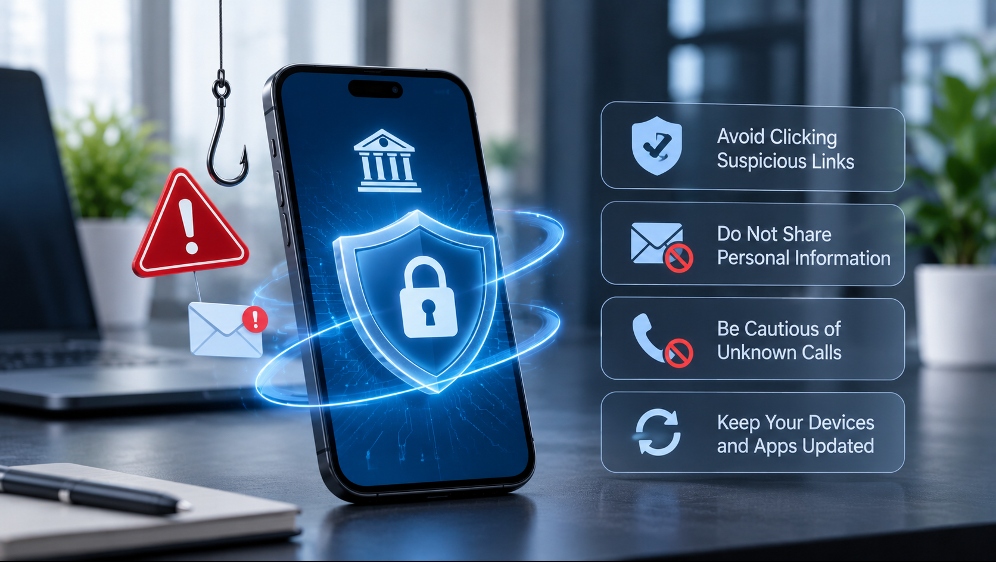
Even when login credentials are not among the reported data categories, exposed contact and identity details can make phishing, smishing, vishing and impersonation attempts more convincing. SBI’s official cyber-security guidance advises customers to follow safe digital banking practices. Customers should never share OTPs, PINs, passwords or CVV details; avoid unexpected KYC links; verify calls through official bank channels; and report suspicious transactions or communications promptly.
How compliance teams can turn the lessons into action
Compliance and security teams can use incidents like this as a prompt to review whether their control environment is operational—not merely documented. Start by mapping sensitive data flows, identifying vendors that can access personal or financial information, checking whether risk assessments are current, and confirming that evidence supports the controls recorded in policies and questionnaires.
A centralized approach can make this work easier to manage. Telemetria is ShielderSoft’s AI-powered third-party risk management platform, designed to support vendor assessments, continuous risk monitoring, compliance mapping across frameworks such as NIST, ISO 27001 and SOC 2, and audit-ready reporting. It can help teams bring vendor information, assessment evidence and risk tracking into a more structured workflow; it does not replace independent audits, legal advice or an organization's responsibility to validate controls.
The role of ShielderSoft
Telemetria is a product by ShielderSoft, a cybersecurity-focused technology company. ShielderSoft builds technology to help organizations strengthen security visibility and manage risk, while Telemetria focuses on third-party risk management and compliance workflows. Organizations can explore the Telemetria platform to learn how structured vendor assessments, monitoring and reporting can support their risk and compliance programmes.
Conclusion
The SBI data leak is a reminder that protecting customer information requires more than perimeter security. Organizations need visibility into where data resides, who can access it, which third parties handle it and whether security controls are consistently evidenced and monitored. The final scope and source of the SBI exposure remain subject to investigation, but the broader lesson is clear: effective data protection depends on continuous oversight, accountable vendor management and audit-ready compliance processes.
Frequently asked questions
Q.How many SBI customer records were identified in the dark-web dataset?
SBI’s preliminary analysis identified 3,897 records containing customer personally identifiable information within a larger set of approximately 375,000 records.
Q.What information was reportedly exposed in the SBI data leak?
The categories listed by SBI include names, mobile numbers, dates of birth, gender, email and residential addresses, branch and CIF identifiers, lead IDs and loan/lead-related metadata.
Q.Did SBI confirm that 2,722 PDF files were exposed?
No. The 2,722 PDF figure appeared in threat-actor claims and media reporting. SBI’s exchange filing did not confirm that figure.
Q.Why is a data breach relevant to third-party risk management?
Vendors and service providers may process or access sensitive information. Organizations need to assess their security controls, monitor changes in risk, document evidence, and coordinate incident responses.
Q.How can compliance teams improve audit readiness?
Maintain current vendor assessments, control evidence, access reviews, exception records, remediation tracking, and incident-response documentation. Map evidence to the frameworks and obligations applicable to the organization.
Q.What is Telemetria?
Telemetria is ShielderSoft’s AI-powered third-party risk management platform. It supports vendor assessments, continuous monitoring, compliance mapping, and reporting.